How to Tell if Gold is Real: 5 Easy Tests
While professional testing may provide the most accurate results, there are also some simple checks you can carry out yourself, and these methods can help to identify whether an item is made of genuine gold.
In this guide, we will cover five simple tests you can use to check whether your gold is real.
1. Assess the size and weight
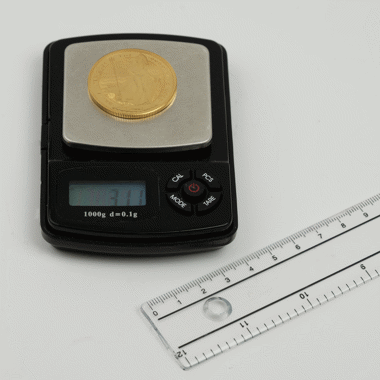
One of the most simple yet effective ways to check the authenticity of a gold item is to measure and weigh it and compare its size and weight against the official specifications.
Genuine coins and bars are usually manufactured to precise dimensions and weights, which can make this a useful way to spot a potential counterfeit product.
To conduct this test, simply:
- Weigh the item using a precise digital scale.
- Measure the item’s dimensions using a ruler or calipers.
- Compare your results with the manufacturer’s specifications.
For example, a one-ounce fine gold coin should weigh approximately 31.10 grams. If a coin is much lighter, heavier, or larger than expected, it may not be genuine.
Many counterfeit products are made using cheaper metals that are unable to perfectly match both the weight and dimensions of real gold, resulting in them being too large for their weight or too light for their size.
However, it is worth noting that some much older coins (particularly those that have previously been in circulation) may weigh or measure slightly less than official specifications due to wear over the years.
This test may be helpful in identifying many fake items, but there are some sophisticated counterfeits that can match genuine specifications very closely, so this test is best used alongside other testing methods.
2. Conduct a visual inspection
A careful visual inspection can often quickly reveal clues about whether an item is made from genuine gold.
Many authentic gold items bear hallmarks or stamps to indicate their purity. Common gold purity stamps and hallmarks include:
- 999 – Fine gold (99.9% pure)
- 999.9 – Fine gold (99.99% pure)
- 916 – 22 carat gold
- 750 – 18 carat gold
- 585 – 14 carat gold
- 375 – 9 carat gold
These marks are often found on coins, bullion bars, and jewellery. However, it is important to note that not all genuine items will have a stamp or mark, and also some very sophisticated counterfeit items may carry fake hallmarks, so this method alone should not be relied upon as complete proof of authenticity.
Examining the surface and look of the item can also help us to check if an item is gold, as genuine gold should have a consistent appearance and does not rust or corrode like many other metals.
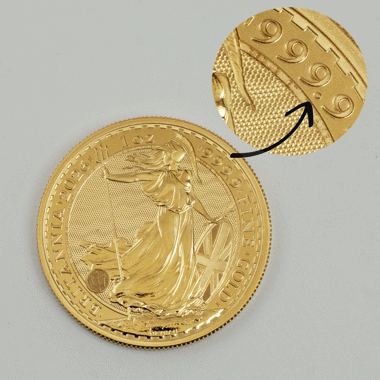
Pay close attention to:
- Edges and corners
- Clasps and fastenings
- Raised details on coins
If you notice another metal showing through from beneath the surface, the item may be gold-plated rather than solid gold. If there are signs of flaking, peeling, green marks, or dark discolouration, this can also indicate that the item may contain other metals.
A visual inspection may not fully confirm that gold is genuine, but it can often reveal warning signs that the product should possibly undergo further investigation and testing.
3. Conduct a sound test (ping test)
The sound test, also known as a ping test, is particularly used for gold bullion coins.
When they are gently struck or dropped onto a hard surface, genuine gold coins should make a distinctive high-pitch ringing sound, whereas coins made from base metals will usually create a shorter, duller sound.
To perform a ping test:
- Hold the coin carefully on the tip of your finger.
- Gently tap the coin with another coin or a non-damaging object.
- Listen to the sound it produces (it may be best to compare the sound to a gold coin you already know to be genuine).
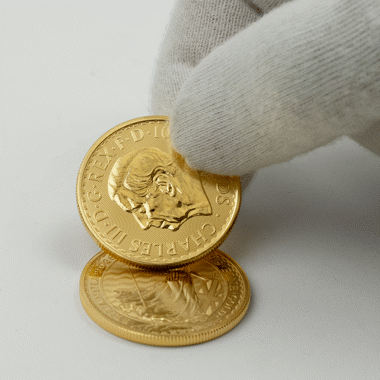
A genuine gold coin should produce a clear, sustained ‘ping’ sound, whereas fake coins will often sound flatter and more muted. The ping test is most effective for coins rather than bars or jewellery and should always be carried out carefully to avoid accidental damage.
4. Perform a magnet test
A magnet test is another quick and easy way to check gold items at home.
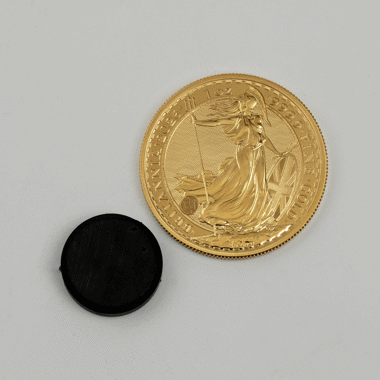
Gold is not magnetic, so it should not be attracted to a magnet. To conduct this test, simply hold a strong magnet close to the item, and if the item is attracted to the magnet, then it is unlikely to be entirely made of gold.
Many counterfeit products will contain magnetic metals beneath a gold-coloured coating. However, some non-gold metals such as tungsten are also non-magnetic, meaning some fake items may still pass the magnet test so it should be used alongside other methods of testing.
5. Use professional gold testing methods
To have complete confidence in an item’s authenticity, using technological methods to test it, usually by a professional, is the most reliable option.
Precious metal dealers often use specialised equipment such as XRF (X-Ray Fluorescence) testing to analyse the composition of gold products without causing any damage.
Professional testing can offer the following advantages:
- Non-destructive analysis
- Fast and accurate results
- Suitable for coins, bars, and jewellery items
Having confidence in the authenticity of a product is particularly important when buying or selling high-value gold items.
Here at Atkinsons, we use XRF technology to verify the authenticity of our gold products.
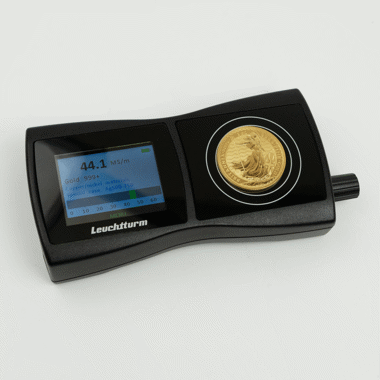
Other electrical devices, including those that measure the electrical conductivity of coins and bars, are also available. By analysing how electricity passes through a metal, these tools can quickly detect many counterfeit metals such as tungsten, brass, copper, or iron, and can be used by dealers, as well as private precious metal buyers to help verify the authenticity of gold products.
Buying and selling gold in confidence
Knowing how to tell if gold is real can help you avoid counterfeit products and gain confidence when buying and selling gold coins, bars, and jewellery.
Simple checks such as comparing size and weight, visual inspections, and sound and magnet tests can all give useful clues about the authenticity of a gold item. However, often the most reliable solutions are testing by a professional or with the use of technology.
While testing can help to identify counterfeit products, the most effective way to reduce the risk of buying fake gold is to purchase from a reputable and established precious metals dealer. At Atkinsons, we have been trading in gold and silver for over 35 years and use professional testing methods, including XRF technology, to ensure the authenticity of the products we sell to our clients. With decades of experience and many thousands of positive reviews from our clients, you can confidently purchase your gold coins and bars knowing you are buying from a trusted name in precious metals.
This blog represents one person’s opinion only. Please note, gold and silver prices may go down as well as up. Atkinsons Bullion & Coins accepts no responsibility for any losses based on information we have provided. We do not offer investment advice. Please carry out your own research before making an investment decision.