Gold and Silver Market Update: Mid-August
So, what has changed? The latest US economic data appears to have given a boost to precious metals, with signs that the US labour market may be weakening. Could this influence the Federal Reserve’s decision on interest rates and be a positive effect on the price of gold?
A weaker US jobs market
One of the most closely watched releases this month was the latest US Non-Farm Payrolls report. July’s figures showed that the US economy lost 23,000 jobs, falling well short of expectations for an increase of around 80,000.
This unexpected decline has raised concerns about the strength of the US labour market, resulting in markets reassessing their expectations for the possible direction of US interest rates. Lower interest rates can have a positive effect on gold and silver, as they often reduce the appeal of interest-bearing assets.
The US Dollar under pressure
The weaker jobs data has also put pressure on the US Dollar, affecting precious metals prices due to gold and silver being priced in US Dollars globally. This weaker dollar has appeared to have supported gold, particularly after several months in which interest rate expectations and a stronger Dollar had been putting pressure on the gold price.
Geopolitical uncertainty remains
The Middle East continues to add some uncertainty to financial markets. Oil prices have seen some volatility due to renewed concerns around regional tensions and the prospects for possible peace.
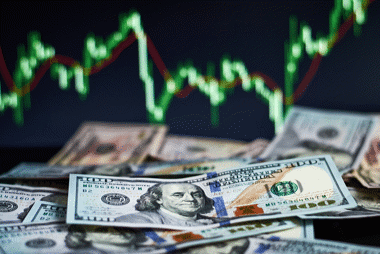
Interestingly, the US Dollar does not seem to have strengthened in response to these latest developments in the same way it historically has during periods of geopolitical uncertainty. Could this suggest that markets could be becoming more accustomed to ongoing instability?
Wider market concerns
There are also growing concerns around the rapid rise in AI-related company stocks. Some experts and analysts have warned that parts of the sector may be becoming overvalued, with huge amounts of money being invested between companies, resembling a financial bubble. If this enthusiasm were to suddenly change, and the bubble bursts, it could lead to a sharp fall in technology stocks and even possibly affect wider markets.
Government debt is another concern. The US is reported to be spending more each year on interest payments than it does on defence. Both the US and the UK are carrying large amounts of debt, and higher interest costs are making this increasingly expensive.

What does this mean for gold and silver?
A weaker US labour market, a weakened US Dollar, and expectations around Federal Reserve policy appear to have helped support the recent rise in the gold price. The silver price also seems to have benefited, although this can be influenced by both investment demand and its role in industry and technology.
The latest UK Consumer Price Index (CPI) figures are due to be released on Wednesday (19th August), with markets watching closely for signs that inflationary pressures are beginning to ease. Further signs of cooling inflation could provide support for gold and silver, as expectations around future interest rate decisions continue to influence precious metals markets.
Of course, the markets can change quickly, and future stronger economic data could mean we see some changes in direction. For now, however, precious metals appear to be on a positive trajectory compared to the start of the summer. After a period of limited movement, August has certainly given gold and silver buyers something positive to watch so far.
This blog represents one person’s opinion only. Please note, gold and silver prices may go down as well as up. Atkinsons Bullion & Coins accepts no responsibility for any losses based on information we have provided. We do not offer investment advice. Please carry out your own research before making an investment decision.