Gold and Silver Price Update: A Mixed Start to November
An unsettled start to November
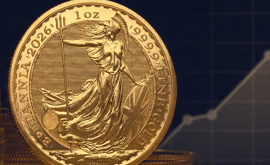
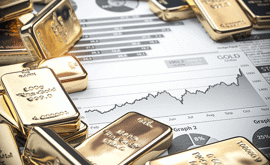
Gold began November at around £2,895 an ounce, before making a welcome return above the £3,000 mark on 5th November. Prices continued to climb over the following days, reaching more than £3,100 on 10th November.
However, the upward movement then reversed, and gold fell back below £3,000 to £2,912 by the afternoon of 12th November.
Silver has followed a similar pattern starting the month at around £36.67 an ounce before rising to £38.92 on 5th November. It then moved above £40 on 10th November, only to fall back to £37.54 by 12th November.
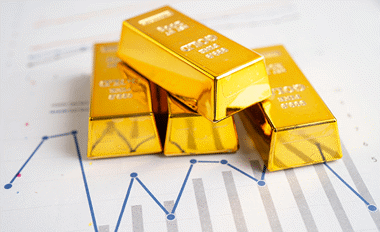
These latest movements highlight how quickly market conditions can change.
US inflation and interest rates put pressure on prices
One of the main factors behind the recent price movements appears to be stronger-than-expected inflation in the US.
Figures released this week showed that consumer prices increased by 0.4% in October, above the expected 0.3%. This has raised concerns that inflation may remain higher for longer, making another US interest rise likely in December.
There is also some discussion around the possibility of a larger increase, which has helped strengthen the US Dollar, which could make gold and silver more expensive for overseas buyers. Higher interest rates could also make precious metals less attractive compared to interest-bearing assets.
Attention is now turning to further US inflation figures due on Friday, which could provide more clues about the direction of interest rates and the potential impact on precious metal prices.
UK economy shows some resilience
There has been more positive news here in the UK, with the latest figures showing that the economy grew by 0.7% between July and September. Growth was largely driven by the services sector, which expanded by 0.9%, with businesses involved in areas such as artificial intelligence and cloud computing greatly contributing to the increase.
However, there are still some concerns about higher energy costs and rising inflation which could put further pressure on households and businesses, while the Bank of England may need to increase interest rates again if price pressures continue.
What could happen to gold and silver next?
Looking ahead, US inflation figures due to be released on Friday could provide useful clues about the possibility of Federal Reserve interest rises in December.

Meanwhile, stronger-than-expected UK economic growth offers some encouragement, although concerns over rising inflation and the possibility of another Bank of England rate increase remain.
If inflation continues to put pressure on both economies, gold and silver could see further ups and downs in the weeks ahead, and there is still plenty of potential for prices to move higher again before the end of the year. Much will depend on the economic data still to come, but we must note that gold and silver continue to have long-term appeal, and the recent volatility is proving to be an opportunity for those looking to buy at lower prices.
This blog represents one person’s opinion only. Please note, gold and silver prices may go down as well as up. Atkinsons Bullion & Coins accepts no responsibility for any losses based on information we have provided. We do not offer investment advice. Please carry out your own research before making an investment decision.